

How to make a budget that actually works in Kenya
A step-by-step way to build a monthly budget on a Kenyan income, using an adapted 50/30/20 rule that makes room for family support, chamas and saving.

Show prices and payment options for
How to size an emergency fund on a Kenyan income, build it month by month, and choose between a money market fund, a SACCO and a bank account.
 Centonomy teamCentonomy
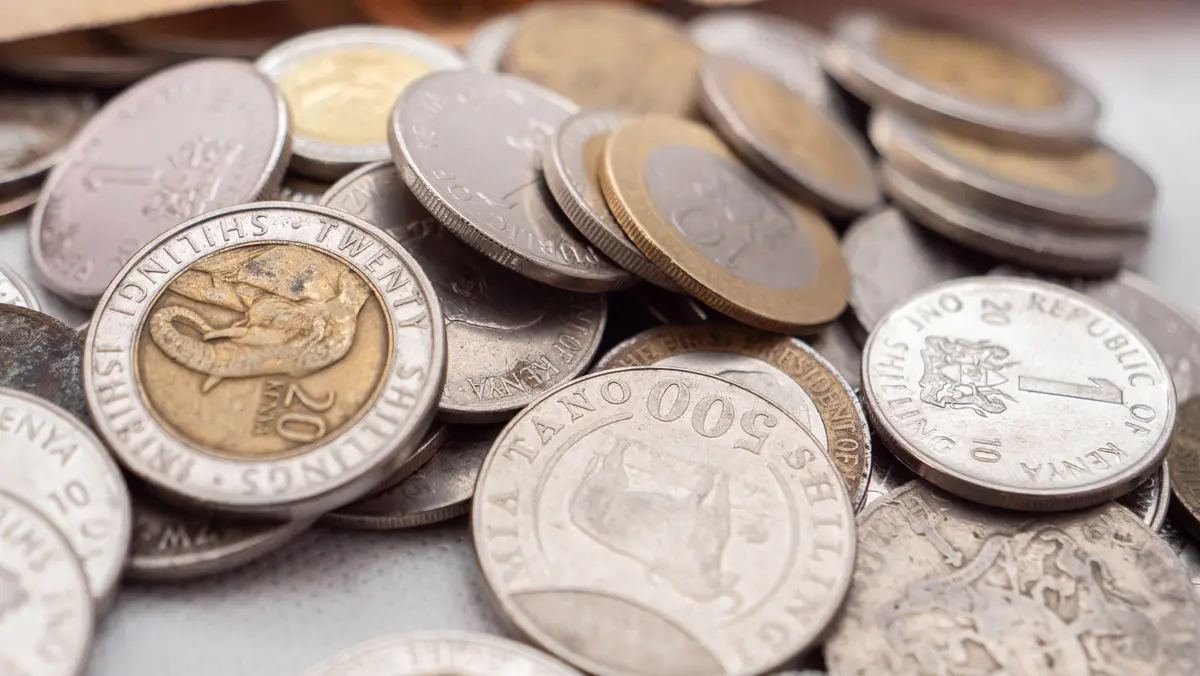
Aim for three to six months of essential expenses: three if your income is steady, six if it varies or you support others. Keep it somewhere safe, separate and quick to reach, such as a regulated money market fund, and only use it for true emergencies.
A job loss, a medical bill insurance doesn't cover, an urgent car or house repair. A sale, a wedding contribution or a new phone are not emergencies; they belong in your budget.
Add up your essential monthly costs: rent, food, transport, utilities, school fees and loan repayments. Multiply by three if your income is steady and you have no dependants, and by six if you are self-employed, on commission or supporting family.
| Option | Strengths | Watch out for |
|---|---|---|
| Money market fund | Regulated by the Capital Markets Authority, earns interest, withdrawals in a few working days | Not instant; check the fund's fees and track record |
| SACCO deposits | Earn dividends and interest, unlock loans | Deposits can be slow or hard to withdraw; use a SASRA-licensed SACCO |
| Bank savings account | Instant access | Low interest; easy to dip into |
Many Centonomy learners keep one month of expenses in a bank or mobile savings account for speed, and the rest in a money market fund.
Start with a target you can hit: KES 1,000 a week is KES 52,000 a year. Automate the transfer for payday, add windfalls such as bonuses, and celebrate each month of cover you reach.
Money market funds in Kenya are regulated by the Capital Markets Authority and invest in short-term, lower-risk assets. They are not guaranteed, so choose an established, licensed fund manager.
Plain-language money guides from Centonomy, to help you move from knowing better to doing better.
Meet the team A step-by-step way to build a monthly budget on a Kenyan income, using an adapted 50/30/20 rule that makes room for family support, chamas and saving.

A plain-language comparison of Kenya's most popular places to grow savings: how each works, who regulates it, how fast you can get your money, and who it suits.

The steps Kenyans abroad should take before paying for land at home: searches, titles, surveys, advocates and payments you can trace.
Short, practical and Kenyan. Plus the Centonomy budget template when you join.

Join Centonomy 101 for live classes, real Kenyan examples and a cohort that keeps you on track.
Add Making Cents?Waceke's book, delivered with your order