Emergency fund: how much you need and where to keep it in Kenya
How to size an emergency fund on a Kenyan income, build it month by month, and choose between a money market fund, a SACCO and a bank account.

Show prices and payment options for
A step-by-step way to build a monthly budget on a Kenyan income, using an adapted 50/30/20 rule that makes room for family support, chamas and saving.
 Centonomy teamCentonomy

List your take-home pay, then split it: about 50% for needs (rent, food, transport, school fees), 30% for wants and family support, and 20% for saving and paying off debt. Pay the 20% first, on payday, by standing order or M-Pesa to a separate account, then spend the rest.
Most budgets fail because they are written once and never met again. They plan for the ideal month, not the real one, with its school fees, harambees, a broken phone and a cousin's hospital bill. A budget that works is one you can keep, which means it has to make room for the life you actually live.
Use the amount that lands in your account after PAYE, NSSF, SHIF and the housing levy, not your gross salary. If your income varies, use the average of your three lowest months from the past year. Planning on your lowest income makes good months a bonus rather than the baseline.
| Share | What it covers | On KES 80,000 take-home |
|---|---|---|
| 50% needs | Rent, food, transport, utilities, school fees, insurance | KES 40,000 |
| 30% wants and family | Eating out, data bundles, outings, black tax, chama contributions | KES 24,000 |
| 20% future you | Emergency fund, investing, extra debt payments | KES 16,000 |
If your needs are above 50%, that is normal in Nairobi. Bring the share down over time, and protect the 20% even if it starts at 5%.
Set a standing order or a scheduled M-Pesa transfer for payday that moves your saving into a separate money market fund, SACCO or savings account. What you never see in your spending account you rarely miss.
Support for parents, siblings and friends is part of Kenyan life. Treat it as a budget line with a monthly limit, not an emergency. When the line is spent, the answer is "next month", without guilt.
Check what you spent, compare it with the plan and move money between lines if you need to. A budget is a plan you adjust, not a promise you break.
A simple way to split take-home pay: 50% for needs, 30% for wants and 20% for saving and debt repayment. In Kenya, family support usually sits in the 30%.
Budget on the average of your three lowest months, pay yourself a fixed 'salary' from a separate account, and keep good months as a buffer.
Plain-language money guides from Centonomy, to help you move from knowing better to doing better.
Meet the team How to size an emergency fund on a Kenyan income, build it month by month, and choose between a money market fund, a SACCO and a bank account.

A plain-language comparison of Kenya's most popular places to grow savings: how each works, who regulates it, how fast you can get your money, and who it suits.

The steps Kenyans abroad should take before paying for land at home: searches, titles, surveys, advocates and payments you can trace.
Short, practical and Kenyan. Plus the Centonomy budget template when you join.

Join Centonomy 101 for live classes, real Kenyan examples and a cohort that keeps you on track.
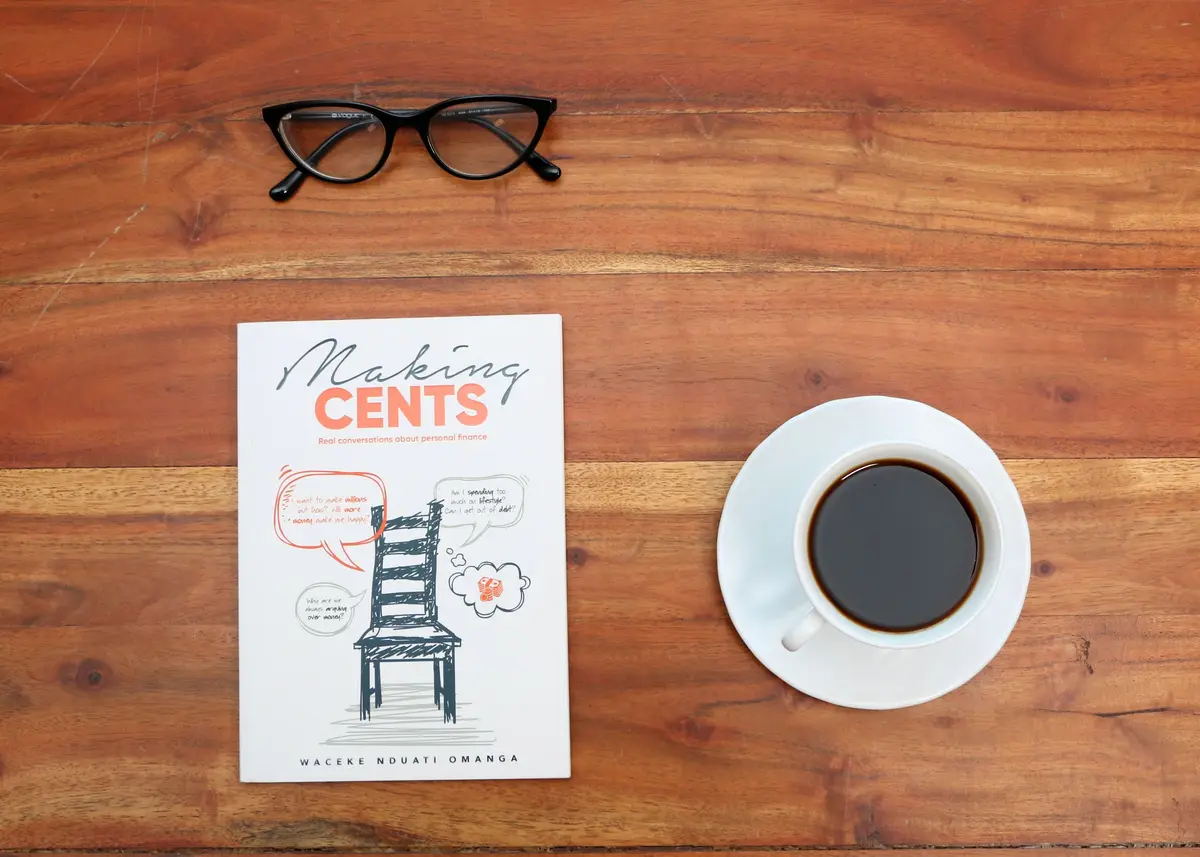
Add Making Cents?Waceke's book, delivered with your order